A team of researchers and psychologists who specialize in behavioral health and neuroscience. This group collaborates to produce insightful and evidence-based content.
Certified recovery coach specialized in helping everyone redefine their relationship with alcohol. His approach in coaching focuses on habit formation and addressing the stress in our lives.
Recognized by Fortune and Fast Company as a top innovator shaping the future of health and known for his pivotal role in helping individuals change their relationship with alcohol.
December 19, 2022
·
19
Reframe Content Team
December 19, 2022
·
19
That automatic reach for a drink after a stressful day. The mindless scrolling when you should be sleeping. We all have these patterns we wish we could break. They often feel so ingrained in our routines that figuring out how to break my bad habits seems impossible. But here’s the secret: if you want to truly change my bad habits, you have to look beyond the habit itself. It's about getting curious about the "why" behind it. This guide will help you figure out what triggers these actions so you can create lasting change.
Ready to Change Your Bad Habits?
Bad habits can interrupt our life and prevent us from accomplishing our goals. If you’re wondering how to stop a bad habit, there are a few effective ways to begin.
If you're a heavy drinker, try cutting back on the amount of alcohol you consume. Start by eliminating alcohol from one day each week.
Gradually increase the number of days you go without drinking.
You can also try setting limits for yourself, such as having only two drinks per night.
Why Do We Form Bad Habits?
Everything from biting your nails to drinking every weekend can be a simple response to stress and boredom.
Many people don't realize most bad habits are actually caused by these two triggers. When we're feeling stressed and bored, we often turn to unhealthy coping mechanisms like excessively drinking alcohol. The good news is that there are steps you can take to cut back on your bad habits.
If you're feeling stressed, exercise or meditation can help. If you're bored, find ways to occupy your time that are positive and productive, like reading or taking up a new hobby. By making a few simple changes, you can break the cycle of bad habits and improve your overall health.
You can teach yourself new and healthy ways to deal with stress and boredom, which you can substitute in place of your bad habits.
The Science of the Habit Loop
If you’ve ever felt like your habits run on autopilot, you’re not wrong. Habits aren’t a matter of willpower; they are neurological patterns our brains create for efficiency. Every habit, good or bad, follows a simple, three-step psychological pattern known as the habit loop. According to Harvard Health, this loop consists of a cue, a routine, and a reward. The cue is the trigger that tells your brain to go into automatic mode — it could be a time of day, a specific location, or an emotional state like stress. The routine is the action you take, like pouring a drink. Finally, the reward is the benefit you get, which tells your brain the loop is worth remembering. Understanding this framework is the first step to taking back control.
Your Brain on Habits: The Role of Dopamine
So, what makes the “reward” part of the loop so powerful? It often comes down to a brain chemical called dopamine. When you do something pleasurable, like taking that first sip of wine after a long day, your brain releases dopamine, creating a feeling of satisfaction. This chemical surge is a powerful signal to your brain that whatever you just did is worth doing again. Over time, your brain starts to anticipate this reward as soon as it encounters the cue, which is what we experience as a craving. This process makes habits involving substances that directly affect brain chemistry especially difficult to change, as the cycle becomes deeply reinforced on a neurological level.
Why Old Habits Are Hard to Break
Breaking a habit can feel like an uphill battle because these loops become deeply ingrained in our neural pathways. Think of it like a well-worn path in a forest — your brain will naturally follow it because it’s the easiest route. These habits can become so “hardwired” that we crave the very things we’re trying to avoid. This is why simply trying to stop a behavior often isn’t enough. Research shows that a more effective strategy is to replace the old routine with a new one. By keeping the cue and the reward but swapping out the routine, you can satisfy the underlying craving in a healthier way, creating a new, more positive path for your brain to follow.
When a Habit Is More Than Just a Habit
Stress or boredom that are on the surface can be caused by deeper issues. These issues can be tough to think about, but if you're serious about making changes, you have to be honest with yourself.
If you find that your bad habits are symptomatic of something bigger, seek professional help to address the underlying issues. Even small changes can make a big difference in your overall health and well-being.
Don't be afraid to start making some positive changes today.
Recognizing Underlying Conditions
Many of us use habits like drinking to cope with feelings of stress or boredom. While these triggers seem straightforward on the surface, they can sometimes be signals of deeper, unresolved issues. It takes courage to look inward, but being honest with yourself is a critical first step if you're serious about making a lasting change. Are you drinking because you're bored on a Friday night, or is it because you're feeling lonely? Is that glass of wine after work truly just to unwind, or is it a way to quiet persistent anxiety? Understanding the “why” behind your habit is essential for finding a healthier, more effective way to manage those feelings.
When to Consider Professional Therapy
Sometimes, a habit is so ingrained or disruptive to your daily life that self-help strategies aren't enough. If your attempts to cut back on drinking feel impossible or if the habit is tied to significant emotional distress, it might be linked to an underlying condition like social anxiety, depression, or trauma. In these situations, seeking professional help is a sign of strength. A therapist can provide a safe space to explore these connections and offer guidance tailored to your specific needs. This isn't about failure; it's about equipping yourself with the best possible support system to create the change you want to see in your life.
Cognitive Behavioral Therapy (CBT) for Habits
One of the most effective approaches for changing habits is Cognitive Behavioral Therapy (CBT). This type of therapy helps you identify the specific thought patterns and core beliefs that fuel your actions. For example, CBT can help you challenge the thought "I need a drink to be social" and replace it with a more balanced one. According to the American Psychological Association, CBT is a powerful tool for developing healthier coping strategies. Many of the neuroscience-based techniques used in the Reframe app are rooted in these same principles, focusing on rewiring your brain's responses to triggers and building new, positive routines.
Why Changing Your Habits Matters
Are you trying to cut back on drinking alcohol? For many people, cutting back on drinking can be a difficult task. There may be a number of beliefs or reasons behind this bad habit. Recognizing the causes of your bad habits is crucial to habit change.
For example, if you're afraid of social situations, you may drink alcohol to help you feel more comfortable. Or, if you're trying to cope with a difficult event, you may turn to alcohol as a way to numb yourself from the pain.
Whatever the reason, it's important to identify the underlying cause of your drinking habits so that you can address it head-on. Only then will you be able to cut back on your alcohol consumption in a sustainable way.
How to Break a Bad Habit for Good
Many people find that they drink alcohol to temporarily cope with stress. If you are struggling to cut back on drinking, there are a few things you can do to help yourself.
Identify the situations or emotions that trigger your need to drink.
Find healthy ways to cope with these triggers.
Cut back on the amount of alcohol you keep at home.
Track your drinking.
We all screw up every now and then; it's part of being human. If you're trying to make any kind of change in your life, there's a good chance you'll experience a setback at some point. Rather than beating yourself up over a mistake, plan for it. Those who are the most successful at making changes get back on track quickly because they plan for setbacks so they don’t upset any progress.
Here are three tips to keep your progress going:
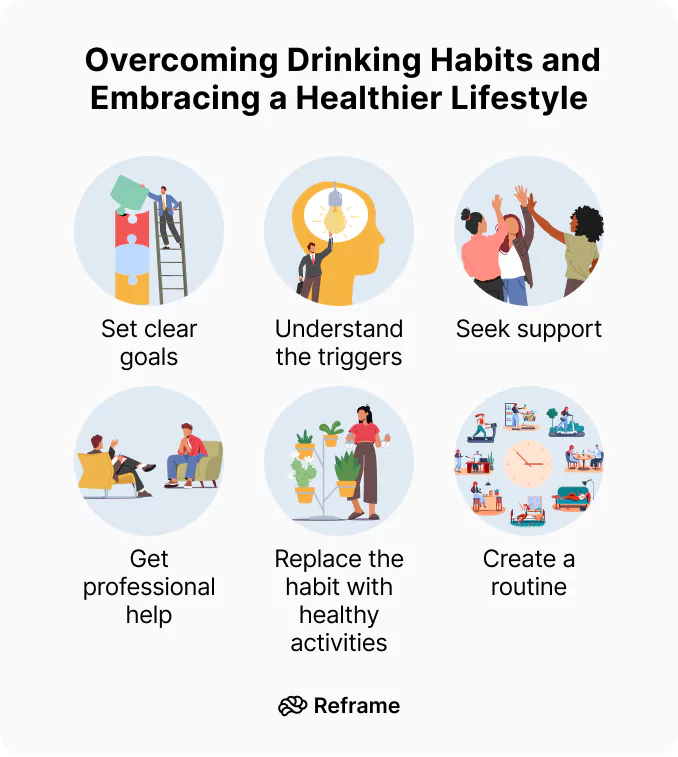
1. Identify Your Habit Triggers
Identify your triggers. What are the situations or emotions that lead you to drink? After you know what your triggers are, start avoiding them or at least be aware of them so that you can be prepared when they arise.
2. Build Your Support System
It's helpful to have a support system in place. Let your family and friends know you're trying to cut back on drinking and ask them for their support. Having someone to talk to when you're feeling tempted can make all the difference.
3. How to Handle Slips and Setbacks
The way we think about setbacks can make all the difference. Try to think of it as a learning opportunity! Once you’re on the path to changing a habit, there’s no such thing as “going back to square one” or “starting from scratch.” Instead, it’s just part of the journey.
Step 1: Prepare for Change
Before you jump into action, setting the stage for change is one of the most important things you can do. Think of it as creating a solid foundation for your new habits. This preparation phase is all about understanding your current patterns, setting clear intentions, and getting real about what the process looks like. By taking the time to plan, you’re not just hoping for change; you’re designing a clear path to get there. This thoughtful approach makes the entire process feel less overwhelming and significantly increases your chances of long-term success.
Identify Your Habit Triggers
Most of our habits are automatic responses to specific cues in our environment or our emotional state. Many people don't realize that common triggers like stress and boredom often lead to unhealthy coping mechanisms, such as reaching for a drink after a long day. To change the habit, you first need to understand what sets it in motion. Spend a few days observing yourself like a detective. When does the urge for your bad habit strike? Is it a certain time of day, a specific place, a feeling, or being around certain people? Jotting these down will reveal the patterns you need to interrupt.
Focus on One Habit at a Time
It’s tempting to want to overhaul your entire life at once, but trying to change too many things simultaneously can quickly lead to burnout. The most effective approach is to focus your energy on breaking one bad habit at a time. This allows you to dedicate your full attention and willpower to that single goal, making the process more manageable and sustainable. Once you’ve successfully integrated a new, healthier habit into your routine, you can then move on to the next one with a renewed sense of confidence and a proven strategy for success.
Set SMART Goals for Success
Vague goals like “drink less” are hard to track and easy to abandon. Instead, create goals that are SMART: Specific, Measurable, Achievable, Relevant, and Time-bound. For example, a SMART goal would be: “For the next 30 days, I will not drink alcohol on weeknights and will limit myself to two drinks on Friday or Saturday.” This goal is crystal clear, you can easily measure whether you’ve met it, it’s realistic, it’s relevant to your larger aim, and it has a specific timeframe. This structure provides a clear roadmap and makes it easy to see your progress.
Understand the Real Timeline for Change
Patience is key when it comes to changing your behavior. Breaking a habit you’ve had for years won’t happen overnight. Experts suggest it can take anywhere from a few weeks to several months to form a new habit, and the timeline varies for everyone. Understanding this from the start helps you set realistic expectations and prevents you from feeling discouraged if you don’t see immediate results. Remember that this is a process of gradual progress, not instant perfection. Trust the process and give yourself the time you need to make lasting changes.
Step 2: Implement Key Strategies
Once you’ve prepared for change, it’s time to put your plan into action. This is the "doing" phase, where you actively work to replace old patterns with new, healthier ones. The key here is to use practical strategies that make the new behavior easier to adopt and the old one harder to fall back on. It’s not about relying on sheer willpower, but about smartly designing your life to support your goals. These techniques will help you build momentum and turn your desired changes into your new normal.
Start with Tiny, Manageable Changes
The idea of making a huge change can be intimidating, so start small. Instead of trying to quit a habit cold turkey, focus on making tiny, incremental adjustments. If you want to cut back on drinking, you could start by having one less drink than you normally would or switching to a non-alcoholic option for your first drink. These small steps are easier to accomplish and help build momentum. Each small win builds your confidence and makes the next step feel less daunting, creating a positive feedback loop that supports lasting change.
Change Your Environment to Support Your Goals
Your environment plays a huge role in your habits. You can make it much easier to succeed by designing your surroundings to support your goals. This means creating barriers to your bad habits and removing them for your good ones. If you want to drink less, don’t keep a lot of alcohol in the house. If you want to eat healthier, keep fresh fruit on the counter instead of cookies. By making your desired choice the path of least resistance, you rely less on willpower and more on a well-designed environment to guide your actions.
Build Your Support System
You don’t have to go on this journey alone. Having a strong support system is incredibly helpful when you’re trying to make a significant change. Let your close friends and family know what you’re working on and how they can support you. Whether it’s a friend you can call when you’re tempted or a partner who joins you in a new healthy activity, having people in your corner makes a world of difference. The community inside the Reframe app is another great place to find encouragement from others who understand exactly what you’re going through.
Practice Distraction and Delay
Cravings are a normal part of breaking a habit, but they don’t have to control you. When an urge strikes, have a plan ready. The key is to distract yourself and delay the action. Cravings often feel intense, but they are usually temporary and will pass if you can ride them out. Try going for a brisk walk, listening to your favorite music, calling a friend, or working on a hobby for 15-20 minutes. Having a go-to list of healthy distractions makes it easier to get through the moment without giving in.
Visualize Success
Your mind is a powerful tool for change. Take a few minutes each day to visualize yourself successfully navigating a challenging situation. Imagine feeling a trigger and choosing your new, healthy response instead. Picture yourself achieving your goal and feeling the pride and joy that comes with it. This mental rehearsal strengthens the neural pathways in your brain associated with the new behavior, making it feel more natural and achievable when you face the situation in real life. It reinforces your commitment and keeps you focused on the positive outcome you’re working toward.
Step 3: Stay Motivated and Handle Setbacks
The path to breaking a bad habit is rarely a straight line. There will be great days and there will be challenging ones. The final, crucial step is learning how to maintain your motivation for the long haul and how to handle setbacks with grace. This is about building resilience and understanding that progress isn't about perfection. By adopting a compassionate and persistent mindset, you can ensure that a minor slip doesn’t derail your entire journey, allowing you to stay on track and achieve your goals for good.
Reward Your Progress
Acknowledging your hard work is essential for staying motivated. When you reach a milestone—whether it’s a week without your old habit or successfully navigating a tough trigger—celebrate it! Plan healthy rewards that you can look forward to. This could be buying a new book, treating yourself to a massage, or spending time on a favorite hobby. These rewards create positive reinforcement, helping your brain form a strong, positive association with your new behavior. It makes the journey more enjoyable and reminds you that your efforts are paying off.
Handle Slips with Self-Compassion
Everyone slips up sometimes. It’s a normal part of the process, not a sign of failure. If you have a setback, the most important thing you can do is be kind to yourself. Avoid the all-or-nothing thinking that tells you you’ve ruined all your progress. Instead, treat yourself with the same compassion you would offer a good friend. Acknowledge what happened, learn from it, and then gently guide yourself back on track. One misstep doesn’t erase all the progress you’ve made. The goal is to get back up and keep moving forward.
Use Mindfulness to Manage Cravings
Mindfulness is the practice of paying attention to the present moment without judgment, and it can be a powerful tool for managing cravings. When an urge arises, instead of immediately acting on it, take a moment to simply notice it. Acknowledge the physical sensations and thoughts associated with the craving without getting swept away by them. This practice of mindful drinking creates a small but powerful pause between the trigger and your response, giving you the space to make a conscious choice rather than falling into an automatic reaction. It puts you back in the driver's seat.
Your Path to Lasting Change
If you find that you're drinking more alcohol than you'd like, it may be helpful to cut back. Drinking too much can be the result of stress or boredom, and it can have negative consequences on your health, relationships, and work life.
Remember that setbacks are normal and expected. Don't beat yourself up if you have one — just get back on track and continue working toward your goal. And we’re here to cheer you on as you move forward in your journey!
The Reframe app can help you cut back on drinking with quick and easy daily activities. These activities are designed to help you become more aware of your drinking habits and make small changes that can lead to cutting back overall.
Frequently Asked Questions
Why can’t I just use willpower to stop a bad habit? Habits aren't a reflection of your character or willpower; they're automatic shortcuts your brain creates for efficiency. Trying to fight this programming with sheer force is exhausting and often ineffective. A smarter approach is to work with your brain. By understanding your triggers and consciously choosing a new routine, you're not fighting the old path—you're creating a new, more appealing one that your brain will eventually prefer.
How long will it actually take to change my drinking habits? There isn't a universal timeline, and it's best to release any pressure you feel to hit a specific deadline. The time it takes depends on how long you've had the habit and what purpose it serves in your life. Instead of focusing on an endpoint, concentrate on making small, consistent progress each day. This is a gradual process of learning and rewiring, so patience with yourself is one of the most important tools you can have.
I slipped up and had a few drinks after a stressful week. Have I ruined all my progress? Absolutely not. A setback is just a moment to learn, not a sign of failure. The path to change is never a straight line. The most important thing is how you respond. Treat yourself with compassion, get curious about what triggered the slip-up, and then simply get back to your plan. One off-day doesn't erase all the hard work and progress you've already made.
What are some practical things I can do instead of drinking when I feel a craving? The key is to have a few go-to replacements ready before the craving hits. If you drink to de-stress, try a five-minute walk, stretching, or putting on a favorite playlist. If it's about boredom, call a friend or spend 15 minutes on a hobby you enjoy. Having a delicious non-alcoholic drink on hand, like sparkling water with lime, can also satisfy the ritual of making and sipping a drink without the alcohol.
My habit feels like more than just a response to boredom. What if there's a deeper reason I drink? That's a really insightful question to ask yourself. Habits are often our way of coping with deeper feelings like anxiety, loneliness, or stress. Getting curious about the "why" behind your urge to drink is a huge step. If you suspect your habit is tied to persistent emotional distress, exploring that with a therapist can be an incredibly helpful and strengthening part of your journey.
Key Takeaways
Understand Your Triggers, Not Just Your Habit: Real change happens when you look beyond the action itself. Get curious about what sets off your habit—whether it's a specific time, feeling, or place—so you can find healthier ways to manage those cues directly.
Swap the Routine, Keep the Reward: Your brain follows habits because they lead to a reward. Instead of fighting a craving with willpower, find a new, healthier action that satisfies the same underlying need, effectively creating a better habit loop.
Embrace a Strategy for Setbacks: Slips are part of the process, not a sign of failure. Plan for them by building a support system, practicing self-compassion, and treating them as learning opportunities to get right back on track without losing your progress.
Although it isn’t a treatment for alcohol use disorder (AUD), the Reframe app can help you cut back on drinking gradually, with the science-backed knowledge to empower you 100% of the way. Our proven program has helped millions of people around the world drink less and live more. And we want to help you get there, too!
The Reframe app equips you with the knowledge and skills you need to not only survive drinking less, but to thrive while you navigate the journey. Our daily research-backed readings teach you the neuroscience of alcohol, and our in-app Toolkit provides the resources and activities you need to navigate each challenge.
You’ll meet millions of fellow Reframers in our 24/7 Forum chat and daily Zoom check-in meetings. Receive encouragement from people worldwide who know exactly what you’re going through! You’ll also have the opportunity to connect with our licensed Reframe coaches for more personalized guidance.
Plus, we’re always introducing new features to optimize your in-app experience. We recently launched our in-app chatbot, Melody, powered by the world’s most powerful AI technology. Melody is here to help as you adjust to a life with less (or no) alcohol.
And that’s not all! Every month, we launch fun challenges, like Dry/Damp January, Mental Health May, and Outdoorsy June. You won’t want to miss out on the chance to participate alongside fellow Reframers (or solo if that’s more your thing!).
The Reframe app is free for 7 days, so you don’t have anything to lose by trying it. Are you ready to feel empowered and discover life beyond alcohol? Then download our app through the App Store or Google Play today!
Reframe has helped over 2 millions people to build healthier drinking habits globally
At Reframe, we do science, not stigma. We base our articles on the latest peer-reviewed research in psychology, neuroscience, and behavioral science. We follow the Reframe Content Creation Guidelines, to ensure that we share accurate and actionable information with our readers. This aids them in making informed decisions on their wellness journey. Learn more
Updated Regularly
Our articles undergo frequent updates to present the newest scientific research and changes in expert consensus in an easily understandable and implementable manner.