A team of researchers and psychologists who specialize in behavioral health and neuroscience. This group collaborates to produce insightful and evidence-based content.
Certified recovery coach specialized in helping everyone redefine their relationship with alcohol. His approach in coaching focuses on habit formation and addressing the stress in our lives.
Recognized by Fortune and Fast Company as a top innovator shaping the future of health and known for his pivotal role in helping individuals change their relationship with alcohol.
May 6, 2024
·
29
Reframe Content Team
May 6, 2024
·
29
Alcohol-Related Birth Defects: Know the Facts and Have a Healthy Pregnancy!
Alcohol affects every system of the developing fetus, and no amount of drinking is safe during pregnancy. In addition to alcohol-related birth defects, other potential abnormalities can develop, especially at critical times in development.
You can stay safe by avoiding alcohol during pregnancy, following your doctor’s advice, nourishing your body, and making your environment as toxin-free as possible.
Reframe can help you have a healthy, alcohol-free pregnancy with science-backed tools and a 24/7 support community.
The journey from a single cell to a baby is truly a miracle. In just nine months, a complex blueprint for life unfolds. But this delicate process is vulnerable. Exposure to alcohol can have permanent consequences, leading to a group of alcohol related birth defects that affect a child for life. Understanding the full alcohol effects on pregnancy is crucial, because these conditions are completely preventable. We'll cover what you need to know to protect your baby and ensure the healthiest possible start.
Another key fact those videos drilled into us from an early age is that pregnancy is a no-drinking zone. No matter what your next-door neighbor or great aunt said was true “back in the day,” there’s no wiggle room here. Alcohol-related birth defects are a sad reality of drinking during pregnancy. Let’s find out more about how they develop and how to prevent them!
Why Is Drinking During Pregnancy So Risky?
According to the CDC, drinking during pregnancy isn’t safe. This simple statement is crucially important to understand. Alcohol can affect the fetus at any stage, including the time we don’t even know we’re pregnant yet — before that missed period, the home pregnancy test, and the 3-minute wait for the telltale line to appear (or not). (For an in-depth look, check out our blog “What Are the Risks of Drinking Alcohol While Pregnant?”)
How Alcohol Reaches Your Developing Baby
So what’s the connection between pregnancy, alcohol, and birth defects? Let’s take an overall view of the stages of fetal development and see what role alcohol plays in each one. (Spoiler alert: while the exact effects and their severity may vary, the answer is the same — there is no known safe amount of alcohol during pregnancy at any developmental stage.)
Zygote stage: off to the races. The zygote enters the uterus about two or three days after fertilization. Now, it’s all about building up the emerging blastocyst (pre-embryo) so it can be implanted on the uterine wall, which happens after about six days. At this point, alcohol consumption might not have a direct effect on development (there’s no embryo to speak of yet). However, this doesn’t mean we’re in the clear to drink — alcohol can interfere with implantation, leading to miscarriage.
Embryonic stage: planning in progress. After the blastocyst implants itself on the wall of the uterus, the embryonic stage begins around the third week of pregnancy and ends around the eighth. This is the crucial time when a “blueprint” for every organ system will form, setting the stage for further development.
At this critical stage, alcohol can do some of the most damage to the developing organ systems. During the third and fourth weeks, the neural tube develops, eventually giving rise to the brain and spinal cord. Any interference with this delicate process can lead to serious developmental problems down the road.
Likewise, the structures that give rise to the heart develop during the embryonic stage (around the third and fourth week). This, too, is a delicate time as far as possible damage by alcohol is concerned — any glitches in the process can spell trouble.
Fetal stage: filling in the blueprint. Somewhere around the eighth week of pregnancy, the fetal stage begins. For the next few months, the blueprint created in the first few weeks will be filled in by what will eventually turn into a full-term baby ready to meet the outside world! (Alcohol continues to pose a risk at this time.)
Then the central nervous system emerges from so-called radial glia cell pools, directing the formation and migration of neurons. Alcohol can interfere with the signal pathways and reduce the fetus’s brain volume.
All in all, at each stage, there’s potential harm that can cause developmental delays further down the line. This harm is dose-dependent, but both moderate drinking over time and single instances of binge drinking can cause damage.
Does the Placenta Offer Protection?
How exactly does the alcohol (or any other substance for that matter) get from mom to baby during the fetal stage? It all has to do with the placenta — a unique organ that forms in the womb and sustains the fetus throughout pregnancy.
The placenta acts as a multipurpose house, food delivery system, oxygen-providing service, and waste-removal system all in one. It’s connected to the growing fetus by a tube-like umbilical cord, which later falls off leaving an ever-present reminder — the belly button.
In addition to nourishing the fetus, the placenta passes on some of the substances in the mother’s bloodstream, including alcohol. The placenta’s permeability can cause birth defects from alcohol.
How Alcohol Harms a Fetus
When a pregnant person drinks, the alcohol in their bloodstream passes through the placenta to the fetus. Because a fetus metabolizes alcohol much more slowly than an adult, its blood alcohol concentration ends up being even higher than the mother’s. This exposure can disrupt healthy development, particularly in the brain and central nervous system. The result can be a range of lifelong physical, behavioral, and intellectual disabilities known as Fetal Alcohol Spectrum Disorders (FASDs). The most severe of these is Fetal Alcohol Syndrome (FAS), which can include distinct facial features, growth problems, and central nervous system issues.
Other Factors That Influence Risk
While there is no safe amount or time to drink during pregnancy, some factors can influence the type and severity of the damage. The amount of alcohol consumed plays a big role; both binge drinking and steady, moderate drinking can cause harm. The timing is also critical. Since major organs and the central nervous system are developing during the first trimester, drinking during this period can be especially damaging. Other elements like maternal health, genetics, and nutrition can also affect how alcohol impacts the fetus. However, the only way to completely prevent FASDs is to avoid alcohol entirely during pregnancy.
How Common Are Alcohol-Related Birth Defects?
When we talk about the risks of drinking during pregnancy, it’s not just a theoretical warning. Alcohol-related birth defects are a reality for many families, and they’re more widespread than most people realize. The issues that arise from prenatal alcohol exposure fall under the umbrella of Fetal Alcohol Spectrum Disorders, or FASDs. These conditions can impact a child's physical development, brain function, and behavior. The most important thing to know is that FASDs are completely preventable if no alcohol is consumed during pregnancy. Understanding the prevalence and the lifelong risks associated with these conditions can help reinforce why abstaining from alcohol is the safest choice for an expecting parent.
Prevalence and Key Statistics
The numbers surrounding FASDs can be surprising. It’s estimated that these disorders affect about 1 in 20 people in the United States, making it a significant public health issue that often goes undiagnosed. To put that into perspective, research from the National Institute on Alcohol Abuse and Alcoholism (NIAAA) suggests that somewhere between 1% and 5% of first-grade students in the U.S. have an FASD. These aren't just statistics; they represent children in classrooms everywhere who face learning and behavioral challenges that stem from prenatal alcohol exposure. These conditions create lifelong hurdles, underscoring the importance of awareness and prevention from the very beginning.
Risks and Life Expectancy
The consequences of drinking during pregnancy can last a lifetime. The problems associated with FASD can appear at any point during childhood and persist into adulthood. Children with more severe forms, like Fetal Alcohol Syndrome (FAS), often face secondary challenges later in life, such as ADHD, aggression, and mental health issues like depression and anxiety. The risk is substantial; for mothers with an alcohol use disorder, about one-third of their children will have FAS. Even for those who drink any amount of alcohol during pregnancy, there's about a 15% chance their child will have an FASD. These long-term effects highlight how crucial it is to create a supportive, alcohol-free environment for a developing baby.
Physical Birth Defects Caused by Alcohol
Now, let’s look in more detail at the range of problems that can develop in the different stages of pregnancy.
How Common Are Alcohol-Related Birth Defects?
When we talk about the risks of drinking during pregnancy, it’s not just a theoretical warning. Alcohol-related birth defects are a reality for many families, and they’re more widespread than most people realize. The issues that arise from prenatal alcohol exposure fall under the umbrella of Fetal Alcohol Spectrum Disorders, or FASDs. These conditions can impact a child's physical development, brain function, and behavior. The most important thing to know is that FASDs are completely preventable if no alcohol is consumed during pregnancy. Understanding the prevalence and the lifelong risks associated with these conditions can help reinforce why abstaining from alcohol is the safest choice for an expecting parent.
Prevalence and Key Statistics
The numbers surrounding FASDs can be surprising. It’s estimated that these disorders affect about 1 in 20 people in the United States, making it a significant public health issue that often goes undiagnosed. To put that into perspective, research from the National Institute on Alcohol Abuse and Alcoholism (NIAAA) suggests that somewhere between 1% and 5% of first-grade students in the U.S. have an FASD. These aren't just statistics; they represent children in classrooms everywhere who face learning and behavioral challenges that stem from prenatal alcohol exposure. These conditions create lifelong hurdles, underscoring the importance of awareness and prevention from the very beginning.
Risks and Life Expectancy
The consequences of drinking during pregnancy can last a lifetime. The problems associated with FASD can appear at any point during childhood and persist into adulthood. Children with more severe forms, like Fetal Alcohol Syndrome (FAS), often face secondary challenges later in life, such as ADHD, aggression, and mental health issues like depression and anxiety. The risk is substantial; for mothers with an alcohol use disorder, about one-third of their children will have FAS. Even for those who drink any amount of alcohol during pregnancy, there's about a 15% chance their child will have an FASD. These long-term effects highlight how crucial it is to create a supportive, alcohol-free environment for a developing baby.
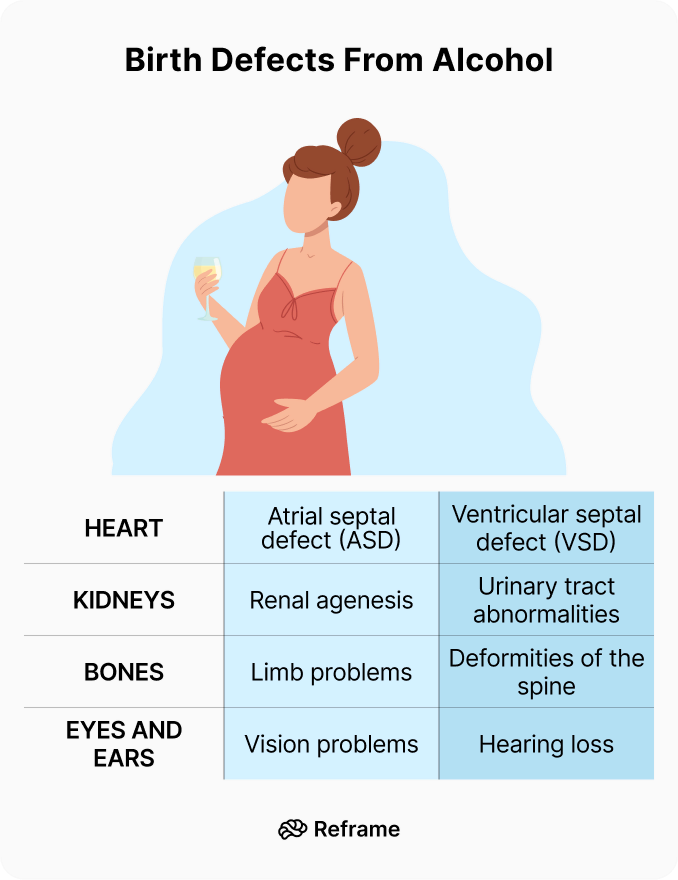
Luckily, both ASD and VSD are sometimes minor enough that they either heal by themselves or don’t cause too many problems. In other instances, however, they need surgical correction.
2. The Impact on Kidney Formation
Kidneys start to develop early in the embryonic stage and are fully formed by the end of the first trimester. Drinking alcohol at any point during their development can lead to potential abnormalities:
Renal agenesis. One or both kidneys might be missing at the time of birth.
Urinary tract abnormalities. Glitches in the development of the urinary tract can affect the baby’s ability to process waste and fluids.
Like heart abnormalities, problems with the kidneys are often treatable. Still, many might require surgery or other complex procedures.
3. Potential Effects on Bone Growth
Developing bones are not immune to alcohol’s effects, either. Problems can include limb and spine abnormalities:
Limb problems. Shorter limbs or fingers and toes that don’t develop properly.
Deformities of the spine. Curvature (scoliosis) or spinal bifida (a condition that involves a malformation of the spine and is considered a type of neural tube defect).
While bone problems are often not life-threatening and treatments are available, they can certainly impact quality of life.
4. Risks to Your Baby's Vision and Hearing
Finally, the sensory organs also can suffer as a result of exposure to alcohol:
Vision problems. The baby could end up with cataracts, retinal issues, or microphthalmia (when one or both eyes are unusually small), all of which can affect their ability to see.
Hearing loss. It’s also possible to lose hearing — partially or completely — in one or both ears due to structural abnormalities.
Once again, these problems might not be life-threatening, but they can greatly impact a child’s life.
A Group of Alcohol-Related Birth Defects (FASDs)
Aside from ARBD, other birth defects can develop as a result of alcohol exposure during pregnancy. Let’s take a look.
Understanding the Full Spectrum
The physical issues we’ve discussed are part of a wider range of conditions known as Fetal Alcohol Spectrum Disorders (FASDs). This is an umbrella term for a group of problems that can occur when a developing baby is exposed to alcohol before birth. As the name suggests, these effects exist on a spectrum, ranging from mild to severe. The impact isn’t just physical; FASDs can affect a child’s brain, body, and behavior, creating lifelong challenges. It’s a complex issue because the signs aren’t always obvious at birth and can vary greatly from one person to another.
Beyond visible physical traits, FASDs often involve neurodevelopmental problems. These can include difficulties with learning, memory, attention span, communication, and social skills. In fact, FASD is sometimes misdiagnosed as another condition, like ADHD, because the behavioral symptoms can overlap. The most critical thing to remember is that FASDs are completely preventable. When a pregnant person doesn’t drink alcohol, the risk of their child developing an FASD is zero. This knowledge is powerful and underscores the importance of abstaining from alcohol during pregnancy to ensure the healthiest possible start for a child.
What Is Alcohol-Related Neurodevelopmental Disorder (ARND)?
Unlike ARBD, ARND isn’t marked by physical disabilities. Instead, the damages happen largely behind the scenes in the brain and can show up later as cognitive and behavioral issues. Here’s the gist:
Intellectual disabilities. Memory and attention problems, as well as learning difficulties, are common in children affected by ARND.
Behavioral problems. Children with ARND often develop learning difficulties and behavioral problems, such as attention deficit disorder (ADD) or oppositional defiant disorder (ODD). They might also have separation anxiety or impulsivity problems.
Nerve or brain abnormalities. ARND also comes with disruptions in nerve and brain functioning that contribute to problems with cognitive development and behavioral issues.
While ARND isn’t entirely treatable, it’s manageable with the right support. Early intervention is crucial — getting a diagnosis might be emotionally difficult, but at this point, it’s all about fixing what’s fixable. It’s important to get help as soon as possible!
What Is Fetal Alcohol Syndrome (FAS)?
Finally, there’s the most serious alcohol-related set of issues, known as fetal alcohol syndrome. A group of alcohol-related birth defects that include physical and mental problems, FASD is a spectrum of disorders ranging from mild to severe.
Growth problems. FASD infants tend to have a low birth weight and length. They often fail to gain weight compared to their peers and have trouble thriving as they get older.
Facial abnormalities. A typical “FASD face” is characterized by small eye openings; ear deformities; a short, upturned nose with a flattened, low, nasal bridge; and a thin, smooth, upper lip.
Organ abnormalities. FASD comes with heart and liver defects.
Skeletal deformities. Babies with FASD typically have smaller heads, deformed ribs, spine curvature, and joint problems.
Central nervous system damage. Unfortunately, FASD can lead to a range of neurological and psychiatric effects, including learning and social disabilities, anxiety, tremors, seizures, coordination problems, attention deficit, and hyperactivity.
Like other alcohol-related birth defects, it’s entirely avoidable if we stay away from alcohol when we’re pregnant and, ideally, during the time when we think pregnancy is on the horizon. Unfortunately, it’s largely untreatable once it develops, although special educational services and psychological support can provide some help.
What Is Partial Fetal Alcohol Syndrome (pFAS)?
Partial Fetal Alcohol Syndrome (pFAS) is a condition on the Fetal Alcohol Spectrum Disorder (FASD) continuum. As the name suggests, individuals with pFAS have some, but not all, of the characteristic signs of Fetal Alcohol Syndrome (FAS). A diagnosis of pFAS typically requires confirmed prenatal alcohol exposure along with the presence of some of the facial abnormalities seen in FAS. It also involves at least one of the other criteria: growth deficiencies (being smaller than average) or evidence of central nervous system issues. While the symptoms may be less extensive than in FAS, pFAS is still a serious, lifelong condition that can present significant challenges with learning, behavior, and overall health.
What Is Neurobehavioral Disorder Associated with Prenatal Alcohol Exposure (ND-PAE)?
Neurobehavioral Disorder Associated with Prenatal Alcohol Exposure (ND-PAE) is another diagnosis under the FASD umbrella. This condition focuses specifically on the cognitive and behavioral challenges that arise from drinking during pregnancy. Unlike FAS or pFAS, a diagnosis of ND-PAE does not require the presence of the characteristic facial features. Instead, it is defined by significant difficulties in three main areas: problems with thinking and memory (like trouble planning or recalling information), behavior problems (such as severe tantrums or impulsivity), and challenges with daily living skills (including bathing, dressing, and playing appropriately for their age). Confirmation of prenatal alcohol exposure is necessary for this diagnosis.
Recognizing the Signs: Diagnosis and Symptoms
Identifying a Fetal Alcohol Spectrum Disorder can be complex because its signs vary widely from person to person. Some individuals may have distinct physical features, while others may struggle more with behavioral or learning challenges that aren't immediately visible. The symptoms can also overlap with other conditions, like ADHD, which can make diagnosis tricky. Understanding the full range of possible signs is the first step for parents and caregivers who suspect their child may be affected. A formal diagnosis should always be made by a team of qualified professionals who can look at the complete picture, from physical growth to cognitive function. This evaluation is crucial for getting a child the right support as early as possible.
Physical and Facial Features
Some of the most well-known signs of FASD are the distinct physical and facial features, though it's important to remember that not everyone with an FASD will have them. Healthcare professionals look for a specific pattern of three facial characteristics when making a diagnosis of Fetal Alcohol Syndrome. These include a smooth philtrum (the ridge between the nose and upper lip is flat), a thin upper lip, and small eye openings. These features arise from alcohol exposure during a critical period of facial development in the first trimester. While these signs are key indicators for FAS, their absence doesn't rule out other conditions on the spectrum, like ARND or ND-PAE.
Behavioral and Cognitive Symptoms
Beyond the physical signs, FASD often brings a host of behavioral and cognitive challenges that can affect every aspect of a person's life. Children with an FASD frequently experience learning disabilities and have trouble with memory and attention. They may struggle with impulse control, making it difficult to think before they act, and may have a hard time understanding social cues, which can complicate friendships. These neurodevelopmental effects are a direct result of how alcohol impacts the brain's formation. These symptoms can be frustrating for both the child and their caregivers, which is why getting a proper diagnosis and understanding the underlying condition is so important for finding effective management strategies.
The Diagnostic Process
Getting a diagnosis for an FASD isn't as simple as a single test; it requires a comprehensive evaluation by a team of specialists. This team often includes a developmental pediatrician, a psychologist, and other therapists who work together to assess the child from multiple angles. They will evaluate physical growth and look for the characteristic facial features associated with FAS. They also conduct tests to assess brain function, looking at cognitive abilities, academic achievement, and adaptive skills. A crucial part of the process is confirming the mother's alcohol consumption during pregnancy, though a diagnosis can sometimes be made without this information if other signs are clearly present.
Why Early Diagnosis Is a Protective Factor
Receiving a diagnosis for an FASD as early as possible is one of the most important things you can do for a child. It's considered a major "protective factor" because it unlocks the door to specialized services and interventions that can make a huge difference. When a child is diagnosed early, parents and teachers can implement strategies tailored to their specific needs. This support can help mitigate some of the long-term effects of the disorder, reduce frustrating behaviors, and help the child build skills for a more successful future. An early diagnosis changes the conversation from "Why is my child acting this way?" to "How can we help my child succeed?"
Long-Term Complications and Co-occurring Conditions
Fetal Alcohol Spectrum Disorders are lifelong conditions, and the challenges don't disappear when a child grows up. In fact, without proper support, the core difficulties associated with FASD can lead to a range of secondary problems in adulthood. These are not symptoms of the disorder itself, but rather complications that arise from living with it. For example, an individual's trouble with impulse control and understanding consequences can lead to difficulties with the law. Similarly, social skill deficits can make it hard to find and keep a job or maintain healthy relationships. Understanding these potential long-term complications highlights the critical need for ongoing support systems that extend well into adulthood to help individuals manage their daily lives successfully.
Secondary Problems in Adulthood
As individuals with FASD transition into adulthood, they often face a new set of challenges. These secondary problems can significantly impact their quality of life and independence. Mental health issues are very common, with high rates of depression, anxiety, and suicide attempts. Many adults with FASD struggle to live independently and maintain steady employment due to difficulties with executive functioning skills like time management and problem-solving. They may also face challenges in their social relationships and are at a higher risk for substance use issues and involvement with the legal system. These outcomes underscore why early intervention and lifelong support are so essential.
Common Co-Occurring Disorders
It's very common for individuals with an FASD to also have other mental health or neurodevelopmental disorders. These are known as co-occurring conditions, and they can complicate both diagnosis and treatment. Attention-Deficit/Hyperactivity Disorder (ADHD) is one of the most frequent co-occurring diagnoses, as the symptoms of inattention, hyperactivity, and impulsivity overlap significantly with those of FASD. Anxiety and depression are also common, likely stemming from the social and academic frustrations that individuals with FASD often experience. Effectively managing an FASD requires addressing these co-occurring disorders as well, often through a combination of therapy and medication.
Treatment and Management for FASD
When parents receive an FASD diagnosis for their child, one of their first questions is often about treatment. It's important to set realistic expectations from the start: while FASD is a lifelong condition with no cure, it is absolutely manageable. The goal of treatment is not to eliminate the disorder, but to help individuals manage their symptoms, build on their strengths, and develop coping strategies to improve their quality of life. A successful management plan is never one-size-fits-all. It requires a personalized, multi-faceted approach that often involves a team of healthcare providers, therapists, educators, and, most importantly, supportive family members working together to create a stable and nurturing environment.
Correcting Misconceptions: Is FASD Treatable?
One of the biggest misconceptions about FASD is that because there's no cure, nothing can be done to help. This couldn't be further from the truth. While the underlying brain damage caused by prenatal alcohol exposure cannot be reversed, the symptoms and challenges that result from it are treatable. Think of it like managing other chronic health conditions. Various therapies and interventions can help individuals with FASD learn new skills and strategies to navigate their daily lives more effectively. The key is to focus on support and management rather than a cure, which empowers families to take proactive steps and helps individuals with FASD lead happy and fulfilling lives.
Therapies and Interventions That Help
A range of therapies and interventions can make a significant positive impact on a child with FASD. The most effective treatment plans are comprehensive and tailored to the individual's specific needs. Behavioral therapy, such as cognitive behavioral therapy (CBT), can help with impulse control and social skills. Educational support is also vital; children often benefit from an Individualized Education Program (IEP) at school that provides accommodations for their learning style. Family counseling is another key component, as it helps everyone in the family understand the disorder and learn effective strategies for communication and support. The earlier these interventions begin, the better the outcomes tend to be.
Medications
There are no specific medications approved to treat the core symptoms of FASD itself. However, medication can be an important part of a comprehensive treatment plan to manage co-occurring conditions. For example, stimulant medications commonly used for ADHD can help improve focus and reduce impulsivity in some individuals with FASD. Likewise, antidepressants or anti-anxiety medications may be prescribed to help manage symptoms of depression or anxiety. A doctor will carefully evaluate whether medication is appropriate and monitor its effects closely.
Behavior and Education Therapy
Behavioral and educational therapies are the cornerstones of FASD management. These interventions are designed to teach practical skills and strategies to help children cope with their specific challenges. For instance, a child who struggles with social cues might benefit from social skills training groups. A child with memory problems might learn to use visual aids and routines to help them stay on track. In school, educational therapists can work with teachers to adapt the curriculum and classroom environment to better suit the child's learning needs, ensuring they have the best possible chance to succeed academically.
Parent Training
Parenting a child with FASD comes with a unique set of challenges, and parent training programs are designed to provide caregivers with the tools and support they need. These programs teach parents about the effects of FASD on the brain and behavior, which helps them understand the "why" behind their child's actions. They also provide positive parenting strategies for managing difficult behaviors, advocating for their child's needs at school, and creating a structured, predictable home environment where their child can thrive. This training empowers parents and can significantly reduce stress for the entire family.
Where Parents Can Find Help
Finding the right help and support can feel overwhelming, but you are not alone. Your child's primary healthcare provider is the best place to start. They can provide referrals to specialists for diagnosis and treatment. Connecting with other families can also be incredibly valuable; look for local or online FASD support groups to share experiences and advice. In the school system, parents can request an evaluation for special education services to create an IEP. Building a strong support network of professionals, educators, and other parents is key to navigating the journey of raising a child with an FASD and helping them reach their full potential.
How to Have a Healthy, Alcohol-Free Pregnancy
While alcohol-related birth defects are difficult to treat after they develop, the truth — both heartbreaking and encouraging — is that they’re highly preventable. Here’s what you can do:
Avoid alcohol during pregnancy. This one is the key to a healthy start. Do whatever it takes to stop if you’re currently drinking and try to stay on track throughout your pregnancy. It’s absolutely worth it! (And while we’re on the subject of what to avoid — stay away from smoking and using marijuana as well).
Be honest with your doctor. They’ve seen and heard it all and won’t judge. They need to know the truth about your situation, whatever that might be, so they can offer the best guidance and advice.
Ask for help. If you’re struggling, don’t hesitate to ask for help. It’s a sign of strength, and there are lots of resources out there that can help you stop drinking if you’re finding it difficult. Reframe is here for you as well!
Nourish your body. There are two (or more!) of you now, so make sure you’re eating enough protein and calcium-rich milk products to support your baby’s growing needs. Leafy green vegetables, fruits, whole grains, and sources of omega-3 fatty acids, such as avocados and nuts, will help provide your body with the nutrients and antioxidants you need.
Take vitamins. Folic acid is key. The CDC recommends taking 400 micrograms (mcg) daily before and during pregnancy.
Stay hydrated. Water is crucial for all of us (our bodies are about 60% water in composition!), but during pregnancy it’s even more critical to stay hydrated.
Get vaccinated. Protecting your immune system from disease protects your baby as well.
Create a safe environment. Last but not least, make sure your environment is safe. Household cleaners and some potential workplace hazards could pose risks, so check with your doctor if you’re unsure or worried about anything.
With these tips, you and your baby will be off to a safe start.
Support for Changing Your Drinking Habits
Making the decision to have an alcohol-free pregnancy is a huge step, but putting that decision into practice can feel overwhelming, especially if drinking is a regular part of your life. The most important thing to remember is that you don’t have to do it alone. According to the CDC, Fetal Alcohol Spectrum Disorders (FASDs) are completely preventable if a pregnant person does not drink alcohol. Holding onto this fact can be a powerful motivator on difficult days. If you’re struggling, reaching out for support is one of the strongest things you can do. Whether it’s leaning on your partner, confiding in a trusted friend, speaking with a healthcare professional, or finding a dedicated community, getting help is a sign of your commitment to a healthy pregnancy.
How Reframe Can Help
If you’re looking for a private, accessible tool to guide you, the Reframe app is designed to help you change your relationship with alcohol from the ground up. Built on a foundation of neuroscience, it offers a daily, structured program to help you understand your triggers and build healthier coping mechanisms. Through educational courses, guided meditations, and progress tracking, you can develop the skills for lasting change. Plus, you get access to a large, anonymous community of people on a similar journey, so you can find encouragement and share experiences without judgment. It’s a comprehensive toolkit for mindful drinking that fits right in your pocket, ready whenever you need support on your path to an alcohol-free pregnancy.
Is Any Amount of Alcohol Safe During Pregnancy?
In the end, pregnancy is a special, challenging, and exciting time, but adding alcohol to the mix can bring on a unique set of dangers and long-lasting effects. Let’s avoid alcohol-related birth defects by staying informed, avoiding alcohol, and taking care of our body and mind (and our baby’s!) during pregnancy and beyond!
Expert Recommendations for Prevention
When it comes to alcohol and pregnancy, the expert advice is crystal clear and unanimous. According to the Centers for Disease Control and Prevention (CDC), there is no known safe amount of alcohol to drink at any point during pregnancy. This includes the earliest weeks, even before you might know you’re pregnant. The U.S. Surgeon General echoes this, advising anyone who is pregnant, might become pregnant, or is actively trying to conceive to avoid alcohol completely. The most encouraging part of this guidance is that Fetal Alcohol Spectrum Disorders (FASDs) are entirely preventable. By choosing not to drink during pregnancy, you can eliminate the risk of these conditions and give your baby the healthiest possible start.
What About Drinking While Breastfeeding?
This is a common question, and the answer requires careful consideration. Alcohol does pass into breast milk, and its concentration is similar to the level in your bloodstream. The Mayo Clinic advises that if you choose to have an alcoholic drink, it's best to wait at least two hours before nursing or pumping. This allows time for your body to metabolize the alcohol. While the risks are not the same as drinking during pregnancy, alcohol in breast milk can still affect your baby's development, sleep patterns, and overall well-being. The safest course of action is to avoid alcohol while breastfeeding. If you do have a drink, timing it carefully is key to minimizing your baby’s exposure.
Frequently Asked Questions
I had a few drinks before I knew I was pregnant. What should I do? First, take a deep breath. This is a very common situation, and the most important step is what you do now. Stop drinking alcohol for the remainder of your pregnancy and be open with your doctor about your concerns and your previous alcohol consumption. They can provide the best guidance and monitor your pregnancy closely. Focusing on a healthy, alcohol-free path forward is the best thing you can do for your baby.
Is there a 'safe' amount or type of alcohol to drink during pregnancy? No, there is no known safe amount, safe type, or safe time to drink alcohol during pregnancy. All major health organizations, including the CDC and the U.S. Surgeon General, agree on this. Alcohol passes directly to the developing baby, and because every pregnancy is different, it's impossible to predict how much alcohol might cause harm. The only way to ensure your baby is protected from alcohol-related birth defects is to avoid it completely.
What's the difference between Fetal Alcohol Syndrome (FAS) and Fetal Alcohol Spectrum Disorders (FASDs)? Think of Fetal Alcohol Spectrum Disorders (FASDs) as an umbrella term that covers the wide range of effects that can happen to a person whose mother drank alcohol during pregnancy. Fetal Alcohol Syndrome (FAS) is the most severe diagnosis under that umbrella, often involving distinct facial features, growth problems, and central nervous system issues. Other conditions on the spectrum may not have the physical signs but can still involve significant behavioral and learning challenges.
Can alcohol-related birth defects be cured? There is no cure for Fetal Alcohol Spectrum Disorders because the conditions result from changes to the brain and body that occurred during development. However, they are absolutely manageable. Early diagnosis is key because it opens the door to therapies, educational support, and parent training that can help a child manage their challenges and build on their strengths, allowing them to lead a fulfilling life.
Do all children exposed to alcohol in the womb show physical signs? No, and this is a critical point to understand. While Fetal Alcohol Syndrome (FAS) has recognizable facial features, many children with other conditions on the spectrum do not. They may struggle with issues like learning disabilities, poor impulse control, or social difficulties that are not visible. This is why it's so important to consider prenatal alcohol exposure if a child is facing these challenges, even if they don't have the physical markers.
Key Takeaways
Zero alcohol is the only safe choice during pregnancy: From the moment you're trying to conceive through all nine months, abstaining from alcohol is the only way to completely prevent alcohol-related birth defects.
Alcohol exposure can cause lifelong challenges: Fetal Alcohol Spectrum Disorders (FASDs) cover a wide range of physical, behavioral, and learning difficulties that can affect a person throughout their life, not just in childhood.
Prevention is possible and management is key: While FASDs are 100% preventable, early diagnosis and consistent support from family, schools, and healthcare providers are crucial for managing the condition and helping a child thrive.
1. What exactly are Alcohol-Related Birth Defects (ARBD)?
ARBD refers to physical defects in a baby that occur due to the mother's alcohol consumption during pregnancy. These defects can affect various parts of the body, including the heart, kidneys, bones, and sensory organs like the eyes and ears. Unlike other conditions related to alcohol exposure in utero, ARBD focuses specifically on physical abnormalities.
2. Can drinking at any stage of pregnancy cause ARBD?
Yes, drinking alcohol at any stage of pregnancy can lead to alcohol-related birth defects. The risk and type of birth defects may vary depending on the timing of alcohol exposure. The first trimester is especially critical because that’s when the baby’s organs are forming, but the entire pregnancy is crucial for healthy development.
3. Is there any safe amount of alcohol to drink during pregnancy?
No, there is no safe amount of alcohol to consume during pregnancy. Alcohol can cross the placenta and harm the developing fetus, leading to ARBD and other conditions. The safest choice for the health of the baby is to abstain from alcohol entirely during pregnancy.
Ready To Prepare for Pregnancy and Change Your Relationship With Alcohol? Reframe Can Help!
Although it isn’t a treatment for alcohol use disorder (AUD), the Reframe app can help you cut back on drinking gradually with the science-backed knowledge to empower you 100% of the way. Our proven program has helped millions of people around the world drink less and live more. And we want to help you get there, too!
The Reframe app equips you with the knowledge and skills you need to not only survive drinking less, but to thrive while you navigate the journey. Our daily research-backed readings teach you the neuroscience of alcohol, and our in-app Toolkit provides the resources and activities you need to navigate each challenge.
You’ll meet millions of fellow Reframers in our 24/7 Forum chat and daily Zoom check-in meetings. Receive encouragement from people worldwide who know exactly what you’re going through! You’ll also have the opportunity to connect with our licensed Reframe coaches for more personalized guidance.
Plus, we’re always introducing new features to optimize your in-app experience. We recently launched our in-app chatbot, Melody, powered by the world’s most powerful AI technology. Melody is here to help as you adjust to a life with less (or no) alcohol.
And that’s not all! Every month, we launch fun challenges, like Dry/Damp January, Mental Health May, and Outdoorsy June. You won’t want to miss out on the chance to participate alongside fellow Reframers (or solo if that’s more your thing!).
The Reframe app is free for 7 days, so you don’t have anything to lose by trying it. Are you ready to feel empowered and discover life beyond alcohol? Then download our app through the App Store or Google Play today!
Reframe has helped over 2 millions people to build healthier drinking habits globally
At Reframe, we do science, not stigma. We base our articles on the latest peer-reviewed research in psychology, neuroscience, and behavioral science. We follow the Reframe Content Creation Guidelines, to ensure that we share accurate and actionable information with our readers. This aids them in making informed decisions on their wellness journey. Learn more
Updated Regularly
Our articles undergo frequent updates to present the newest scientific research and changes in expert consensus in an easily understandable and implementable manner.